

Core Technologies & Processes
From regeneration processes and IoT terminals to the intelligent supervision platform, Molyfor's technologies and capabilities form systematic support around intelligent solid waste collection, storage, and resource regeneration.
Process Routes and Core Patents.
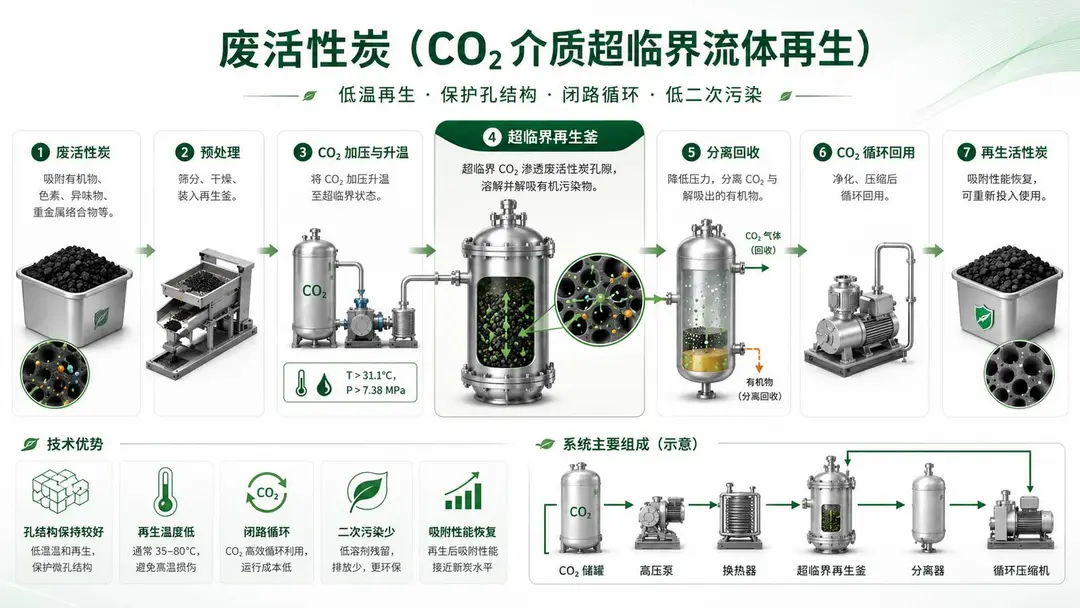
The regeneration processes cover four routes: waste mineral oil (membrane purification pretreatment + HyFine liquid-phase hydrogen-control refining + supporting distillation + blending and packaging), spent activated carbon (supercritical CO₂ regeneration), steel drums / plastic containers (regeneration by category), and biomass (comprehensive utilization) — see the Phase III 150,000 t/a waste mineral oil regeneration project and the Phase II closed-loop circular economy green industrial park.
Core technologies include the self-developed HyFine liquid-phase hydrogen-control treatment technology, a proprietary catalyst and anti-coking agent system, and the supercritical CO₂ activated carbon regeneration process, with a portfolio of 32 intellectual property rights including 6 granted invention patents.
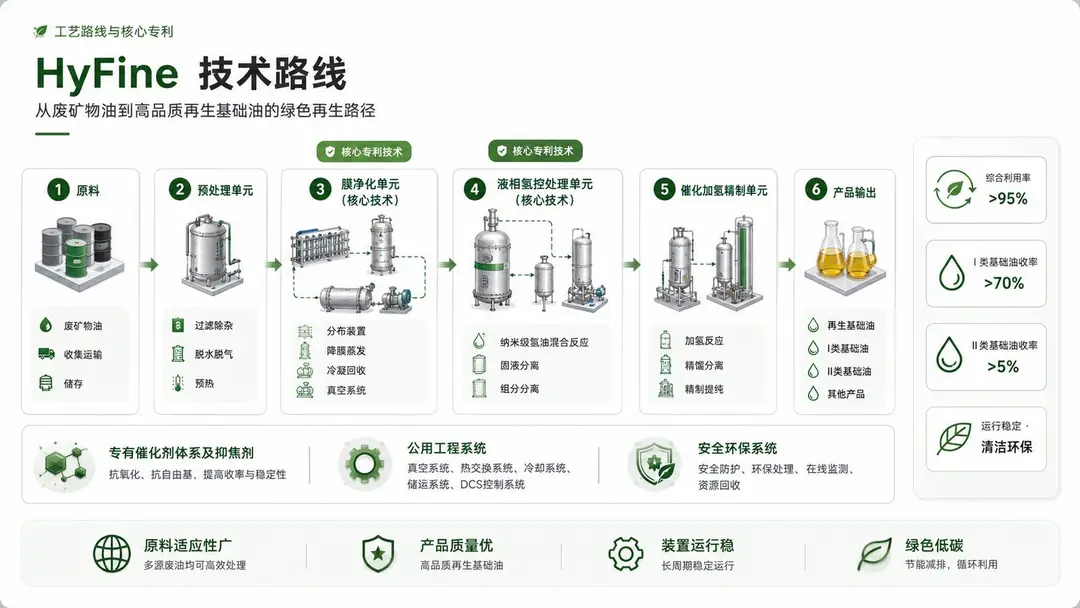
HyFine waste mineral oil comprehensive utilization route · schematic diagram
A Four-Layer Capability Stack: Terminals / Tags / Data Hub / Supervision Platform.
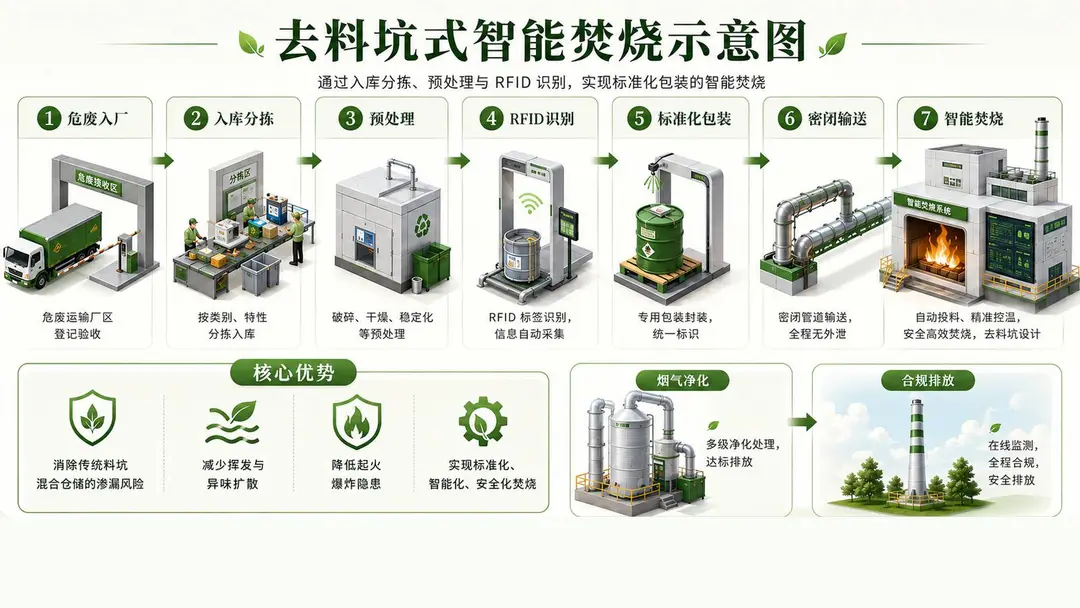
The "IoT + Hazardous Waste" Intelligent Management Service Platform (IHWDS) is Molyfor's central system, integrating smart terminals, dual-frequency RFID, smart weighing, vehicle dispatch, electronic manifests, and compliant settlement into a unified data language.
Smart Terminal Hardware
Identification, metering, and data-capture devices at waste generation sites; on-site operations follow standardized workflows.
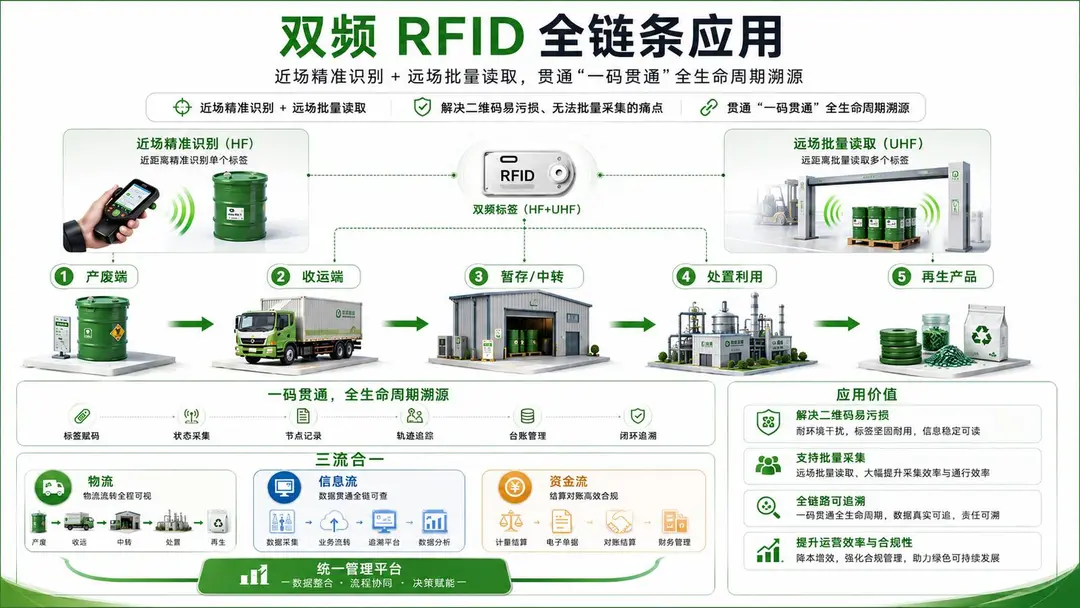
Dual-Frequency RFID Traceability
Dual-frequency tags enable automatic bulk capture, overcoming the fouling and occlusion problems of conventional QR codes — among the first engineering implementations of full-chain hazardous waste traceability.
IoT Data Hub
Device data from generation, collection and transport, temporary storage, disposal, and regeneration converges into a unified data hub, forming a queryable layer of facts.
Intelligent Supervision Platform
Compliance, dispatch, risk early warning, electronic manifests, and compliant settlement (including reverse invoicing) are integrated into a single interface.
R&D Directions for the Future.
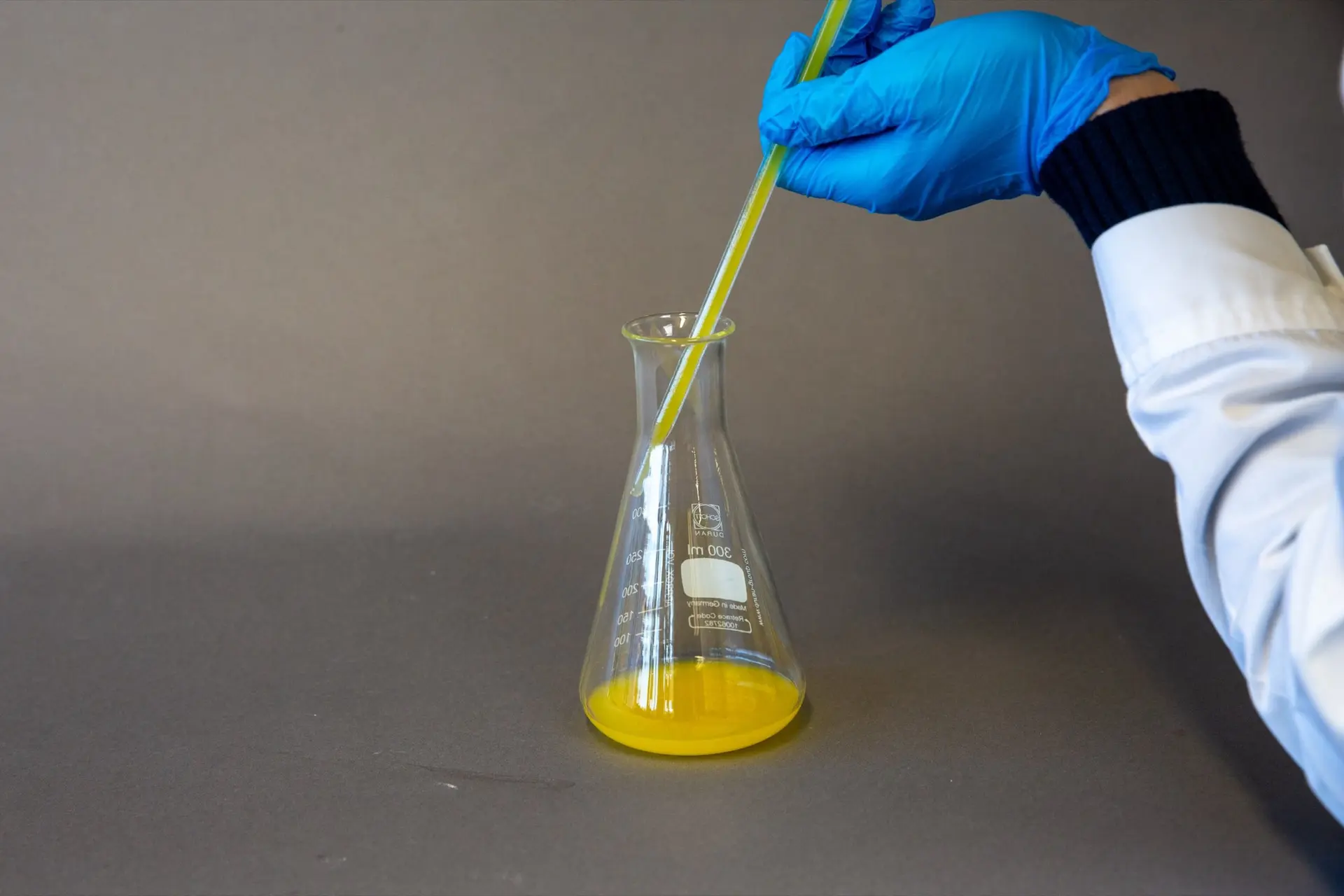
Beyond its established regeneration processes, Molyfor pursues forward-looking research centered on the high-value utilization of biomass and hazardous waste, working on resource recovery from hard-to-treat solid waste and on new application scenarios for regenerated materials, keeping laboratory research continuously aligned with industrial needs.
In the comprehensive utilization of agricultural and forestry biomass, the company studies process upgrades from bio-based green products toward higher value-added pathways, lists sustainable aviation fuel (SAF) as a long-term research direction, and explores conversion routes from waste biomass to energy-storage materials such as porous carbon for supercapacitors.
In hazardous waste resource recovery, Molyfor advances systematic research and pilot-stage validation on the stabilization and regeneration of hard-to-treat solid waste such as incineration fly ash and spent activated carbon, and on the application of regenerated materials in contaminated soil remediation and ecological restoration.
Quality and Safety, Driven by the Digital Twin.
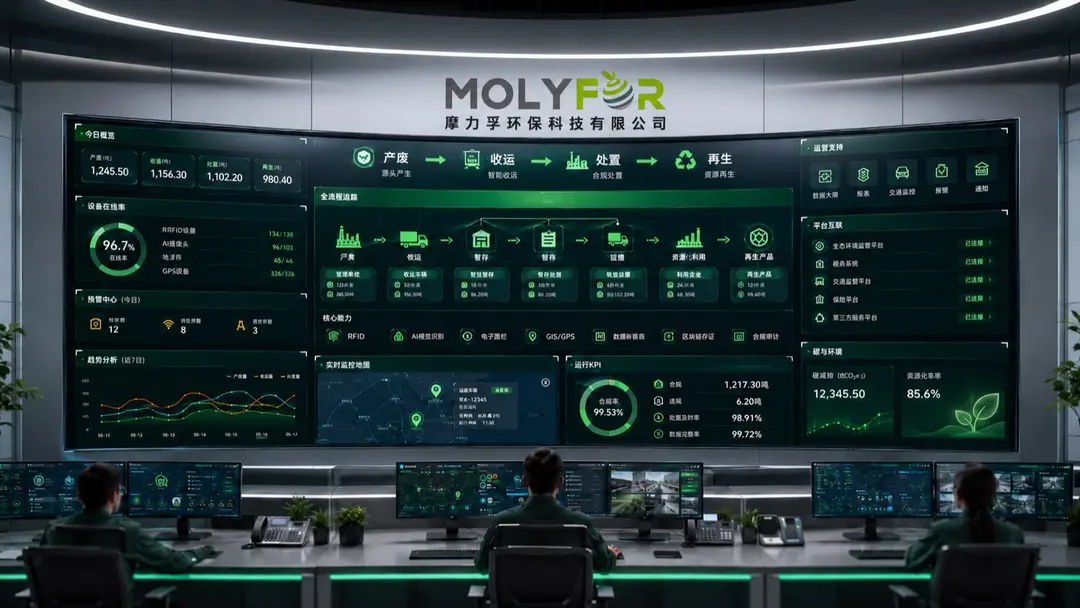
Molyfor uses the digital twin as the underlying framework for quality and safety: IoT terminals, dual-frequency RFID, and the intelligent supervision platform map process units, material flows, and on-site operations into a computable digital model in real time, so that every key state on the physical side is simultaneously visible on the digital side.
On top of the digital twin, quality and safety are delivered through three coordinated layers of control: the supervision platform records event streams and anomalies, process-side interlocks, redundancy, and closed-loop verification make critical actions "proceed correctly or stop", and on-site operations follow EHS standards.
With the digital twin's real-time comparison and early warning, online interlocks and redundant designs can block problems before they are even noticed, shifting quality and safety from after-the-fact inspection to prevention.